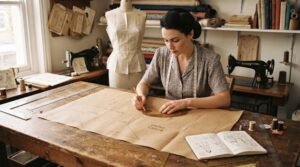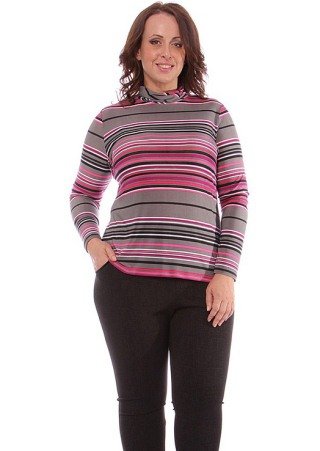

Once a garment manufacturing business establishes its core product line (such as basic t-shirts or hoodies), factory owners naturally look to expand into higher-margin categories. Two of the most promising and lucrative niches are children's wear and Plus-Size collections. However, beneath the strong market demand lie substantial technical and pattern-making hurdles that require specialized knowledge before cutting fabric.
1. Stringent Standards and Ergonomics for Kids Wear
Manufacturing apparel for children carries tremendous safety and regulatory responsibility. You cannot simply shrink an adult pattern down proportionally. Rigorous safety standards (such as EN 14682) and pediatric anatomy impose strict rules:
- Fabric Safety & Hypoallergenic Testing: Low-grade synthetic fibers are unacceptable. Only natural organic cotton, French terry, and certified fabrics (Oeko-Tex Standard 100) that do not irritate sensitive skin must be used.
- Hardware & Trim Restrictions: Long functional cords around necks and hoods are strictly prohibited due to strangulation risks. Small buttons that infants could detach and ingest are replaced by reinforced non-toxic snaps and nylon spiral/molded zippers with chin guards.
- Body Proportion Adjustments: Children possess disproportionately larger heads relative to their torso (demanding expandable neck openings), prominent bellies, and narrower shoulders. Utilizing verified kids base blocks with adequate ease from the Vykroyka.com.ua patterns catalog guarantees natural mobility during play.
2. Plus-Size Pattern Engineering: Why Simple Grading Fails
A fatal mistake made by emerging brands is attempting to create plus sizes by mechanically scaling up (grading) a standard size 44 pattern to size 58 or 60. The result is an unflattering, boxy garment with gaping necklines and diagonal draglines.
Core Principles of Plus-Size Pattern Engineering:
- Anatomical Realignment: As body volume expands, shoulder slope, bust dart apex, armscye depth, and back waist balance change non-linearly. Standard grading formulas do not account for shifting posture and fullness.
- Sculptural Modeling: Rather than drowning curves in shapeless sacks, skilled pattern makers incorporate princess seams, split yokes, and contour darts that provide structure and flatter voluptuous figures.
- Fabric Density & Recovery: Flimsy jerseys cling and accentuate uneven contours. Plus-Size garments demand substantial, shape-retentive textiles such as 3-thread brushed fleece, compact ponte-de-roma jersey, or premium stretch linen.
3. Manufacturing Technology for Non-Standard Figures
Both categories place elevated stress on seam construction on the factory floor:
- Endurance Under Frequent Washing: Children's garments are laundered almost daily and encounter high friction at knees and elbows. All interior seams must be flexible and stretchable (4-thread overlock combined with coverstitch machines).
- Reinforced High-Stress Points in Plus-Size: Heavy mechanical tension occurs along shoulder seams, crotch curves, and inseams. Incorporating silicone stay-tapes and automated bartack machines at stress intersections is mandatory.
Entering the kids wear or Plus-Size segments offers compelling commercial upside. Brands that master precision fit, anatomical comfort, and certified construction earn fierce customer loyalty in markets chronically underserved by fast-fashion giants.
Looking for production-ready patterns with verified anatomical fit?
Explore our curated digital library of professional children's wear and Plus-Size patterns.
EXPLORE PATTERNS →