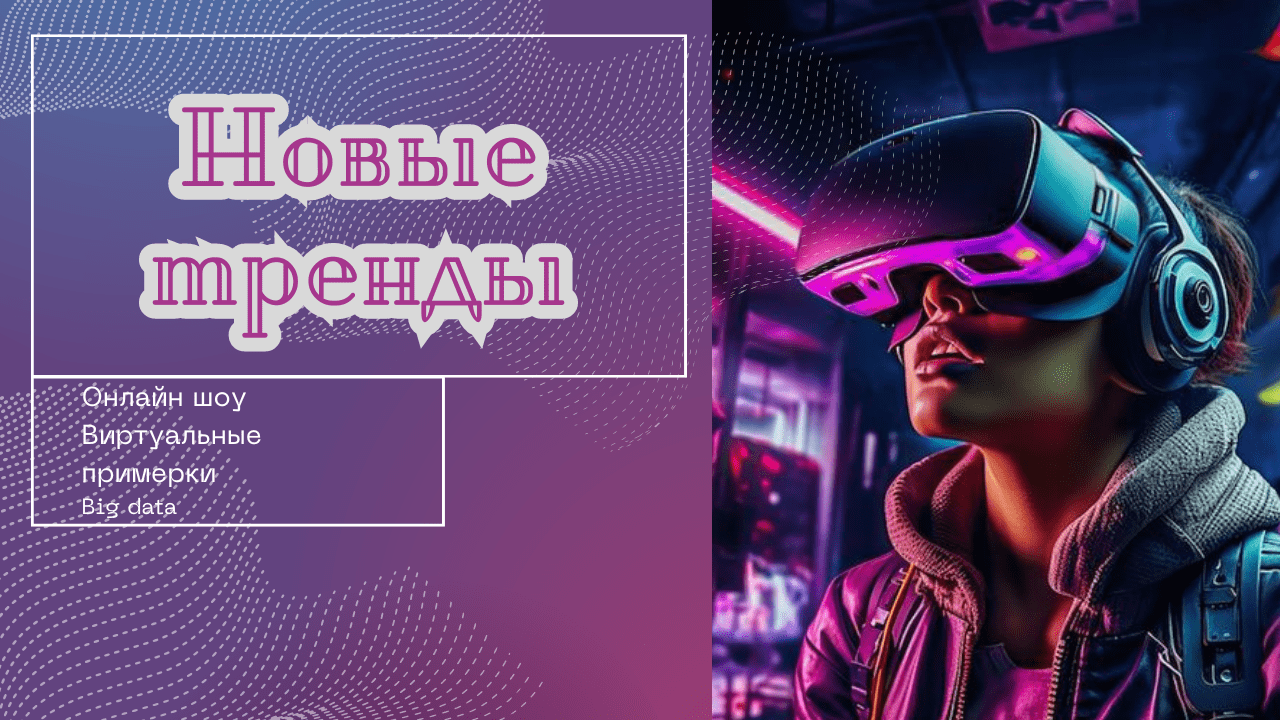
The fashion industry is experiencing a tectonic shift: digital twins of clothing, virtual shows in metaverses and 3D parametric pattern modeling are replacing traditional paper-and-physical collection development processes. Fashion houses and local brands are reducing time to market from 6 months to 2 weeks, while reducing their carbon footprint and costs for physical samples. In this review, we analyze the main technologies of Digital Fashion.
Contents of the Digital Fashion Review
- 1. 3D modeling and fit simulation (CLO 3D, Browzwear, Optitex)
- 2. Virtual fitting rooms with augmented reality (AR) support
- 3. Digital Runway and avatars at Fashion Weeks
- 4. Ecological effect: reduction of physical samples by 80%
- 5. How a small clothing business can implement 3D technologies
- Designer's advice: integration of a 3D avatar with real patterns
- Frequently asked questions (FAQ)
1. 3D clothing simulation
CLO 3D and Browzwear programs recreate the physical properties of fabrics (stretch coefficient, surface density, drapability and thickness) with up to 98% accuracy, allowing the designer to see cut defects and seam tension before the first cut with scissors.
2. AR fitting rooms for customers
Body scanning technologies through the front camera of a smartphone allow customers of online stores to see the fit of a dress or jacket on their figure, which reduces the percentage of clothing returns in e-commerce by 40%.
3. Virtual podiums
Leading brands (Balenciaga, Gucci, Prada) present full-fledged collections in the form of digital shows, where hyper-realistic 3D models demonstrate clothes in fantastic virtual locations.
4. Environmental benefits
Eliminating the endless sewing of intermediate samples saves millions of meters of fabric and thousands of liters of dye, turning fashion into an environmentally sustainable industry.
Advice for the designer
Start your 3D modeling with a proven pattern base to ensure your digital form is fully compliant with industry cutting standards. And you can download the exact databases in the catalog ready-made patterns.
Frequently asked questions (FAQ)
Is it possible to immediately print a pattern from a 3D program?
Yes, the programs export finished cut details with all allowances, notches and split threads into PDF, PLT and DXF-AAMA formats.
How long does it take to master basic 3D modeling?
With a basic knowledge of clothing design, mastering the CLO 3D interface takes about 2-3 weeks of intensive practice.
Expertly designed patterns are the key to a perfect fit of any product. To be the first to learn about the intricacies of design, modeling and trends in the sewing world, subscribe to our video channel Pattern - Ready-made patterns.