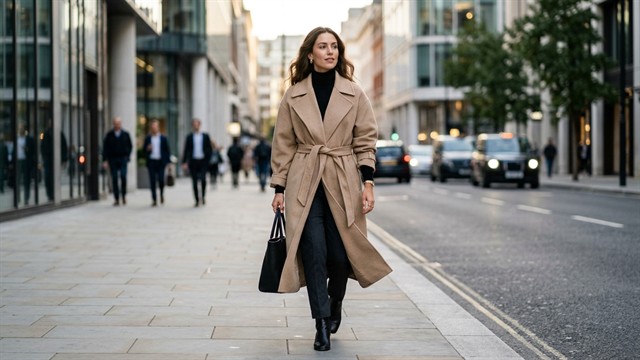
Choosing a size for oversized patterns often causes difficulties: a size that is too large turns the item into a shapeless bag, and a size that is too small deprives the product of its intended volume and architecture. The main secret to a perfect fit lies in understanding the design allowances for freedom of fit and accurately correlating the key measurements of the figure with the parameters of the finished patterns.
Contents of the article
- What are loose fit increases and how do they work in oversize
- Key measurements: what to look for when choosing a size
- Secrets of product balance: shoulders, armholes and sleeve length
- Common mistakes when sewing bulky items and how to avoid them
- Tailor's advice: adjusting patterns to suit your figure
- Frequently asked questions (FAQ)
What are loose fit increases and how do they work in oversize?
The increase in freedom of fit (Pg, Pt, Pb) is the difference between body measurements and the width of the finished product. In classic close-fitting items, the increase in the chest is 2–4 cm, while in oversized models it can reach from 12 to 30 cm or more.
- Moderate oversize (10–14 cm increase): Maintains the proportions of the figure, creating light volume without the effect of something “from someone else’s shoulder.”
- Volume/architectural oversized (16–25 cm increase):Requires clear fixation of the shoulder girdle and shape-holding fabric.
- Dramatic oversize (addition of 25 cm and above): Provides exaggerated shapes and requires an ideal descent of the shoulder.
Key measurements: what to look for when choosing a size
When purchasing a ready-made oversized pattern,always choose your actual bust size (CG)set by the designer, rather than taking a pattern 2-3 sizes larger.
The designer has already included the necessary structural addition in the pattern. If you take a pattern several sizes larger than yours, your key reference points will shift: the neck will become too wide, the shoulder seam will go far down, and the armholes will fall below the acceptable level.
Secrets of product balance: shoulders, armhole and sleeve length
The secret of a stylish oversized look lies in the contrast between free volume and clearly defined support zones:
- Neckline and collar:Must fit neatly to the neck or have a neat, finished neckline, otherwise the product will look stretched.
- Dropped shoulder:The length of the dropped shoulder is measured strictly in proportion so as not to hinder the movements of the arms.
- Cuffs and hem: Fixing the sleeve at the wrist helps to maintain the necessary fabric overlap and harmonize proportions.
Common mistakes when sewing bulky items and how to avoid them
One of the most common mistakes is using fabrics that are too heavy or brittle where soft drape is needed. For oversized hoodies and sweatshirts, choose a high-quality footer with cash-corse, and for voluminous coats, choose plastic coat wool that falls beautifully under its own weight.
Tailor's advice
Before cutting the main fabric, alwayscompare the pattern measurements with your favorite ready-made item of a similar stylefrom your wardrobe. Measure the width of the product under the armhole and the length of the sleeve on the finished item and compare them with the grid of pattern parameters. Professional ready-made patterns from our catalog will help you accurately build balance and silhouette.
Frequently asked questions (FAQ)
Should I take an oversized pattern one size smaller if I don’t like things that are too wide?
Yes, if you prefer moderate volume, you can take the pattern one size smaller than your standard. However, be sure to check the armhole and hip measurements.
How to correctly measure the increase in fit in a finished pattern?
Measure the width of the front and back pieces at the armhole level, fold them, multiply by two (get the full width of the product) and subtract your actual chest circumference from this amount.
Is the oversized style suitable for short girls?
Yes, it fits. The main thing is to adjust the length of the product and the length of the sleeve to suit your height, and also choose models with vertical design lines.
Expertly designed patterns are the key to a perfect fit of any product. To be the first to learn about the intricacies of design, modeling and trends in the sewing world, subscribe to our video channel Pattern - Ready-made patterns.