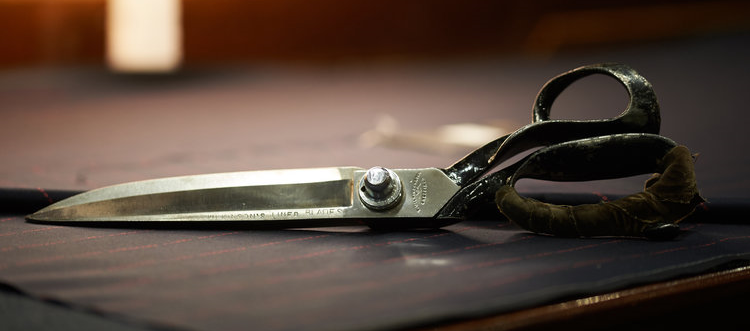
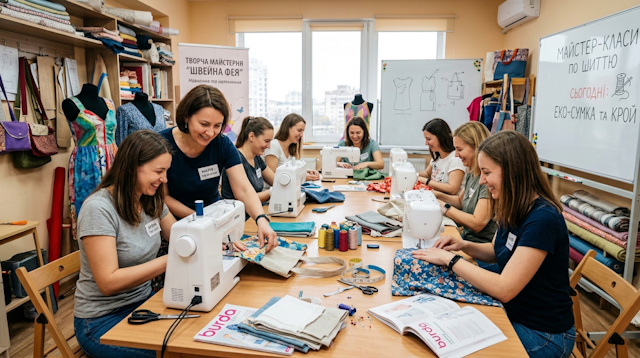
It is impossible to imagine the modern appearance of a tailor's shop without massive sewing machines. However, in the 19th century, this innovative invention shocked many traditional hand sewing masters. Instead of accepting the innovation, they took to the streets in protest, leaving their name in the history of unrest against change
1. Luddites vs. "Steel Monsters"In 1811 in England, a group of weavers led by Nedd Lud stood up against the machines that threatened their craft, destroying them in protest. These "Luddites" became the first examples of the anti-technology movement in history.
2. Tailors' Protests Against Sewing MachinesThe introduction of Howe and Singer sewing machines in the 1850s sparked similar protests among tailors. Leicester city authorities even imposed bans on the use of new equipment, fearing social upheaval.
3. Clashes in the New WorldIn America, the protests took a particularly violent turn. In 1853, Singer's New York factory was targeted by disgruntled workers, and in 1858, barricades erupted in protest and clashes in Baltimore.
4. Evolution of perceptionThe protests gradually subsided when it became clear that machines speed up production and do not completely replace manual labor. By the 1870s, sewing machines had become an integral part of American life.
Conclusion: The history of the sewing machine protests is a history of the confrontation between tradition and progress. Although there was resistance at the start of this era, technological advances eventually enriched the clothing industry and made fashion more accessible to everyone. At the same time, respect for the craftsmanship of artisans remained unchanged, and sewing machines only supplemented their capabilities.
Need accurate sewing patterns?
Explore our curated digital patterns catalog with verified fit and multi-size grading.
VIEW PATTERNS →