Forming an individual wardrobe is not blindly following catwalk trends, but a deep understanding of proportions, color and one’s own character. Developed observation allows you to easily combine things, combine textures and create harmonious outfits for any occasion. In this article, we'll break down the ultimate A-Z style guide, as well as effective techniques for developing your visual expertise and finding your unique style DNA.
Contents of the article
What is observation and how does it shape style?
Attention is the visual experience accumulated and analyzed by your brain. The more high-quality images, harmonious combinations of colors, complex textures and design solutions you see every day, the faster your good taste is formed.
Observation works like a filter: it helps to instantly distinguish outdated styles from current classics, see the potential of an item even at the pattern stage and create stylish sets from basic elements.
Alphabetical guide: key clothing styles from A to Z
To find your direction, it is important to navigate the basic and aesthetic categories of modern costume:
- Academy (Dark / Light Academia): Classic university style aesthetics - tweed jackets, pleated skirts, jumpers and deep natural shades.
- Boho chic: Loose silhouettes, layering, natural fabrics, fringe, ethnic prints and tiered skirts.
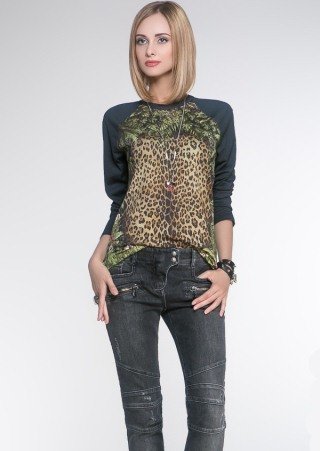
- Grunge: Rebellious style with an emphasis on oversized, plaid flannel shirts, distressed denim and chunky boots.
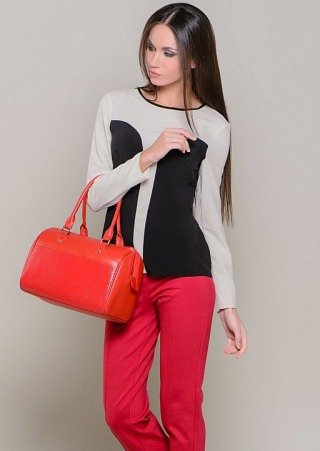
- Dramatic style:Bright contrasts, clear geometric lines, deep necklines, accent shoulders and rich colors.
- Casual (Smart / Business Casual): A practical urban style that combines the comfort of everyday items with the elegance of a classic cut.
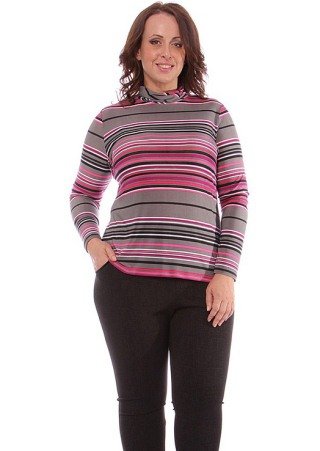
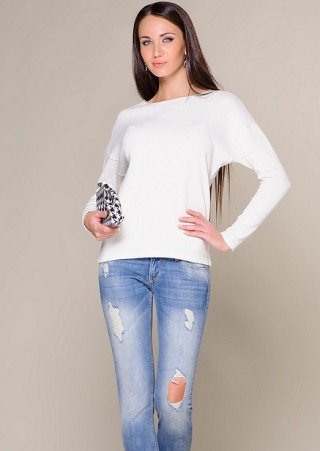
- Minimalism: Clean lines, absence of unnecessary decor, impeccable cut and neutral palette (black, white, beige, gray).
- Preppy: The style of elite school students is neat blazers, diamond vests, polo collars and plaid skirts.
- Eco-style / Normcore: Conscious choice of simple basic items made from natural linen, cotton and wool without chasing logos.
A step-by-step algorithm for finding your unique style
- Lifestyle Analysis:Assess your activity pattern. If 70% of your time is taken up by work or walking, the basics of your wardrobe should meet precisely these tasks.
- Wardrobe inventory: Highlight the things in which you feel most confident and comfortable. Find what they have in common (silhouette, fabric, color).
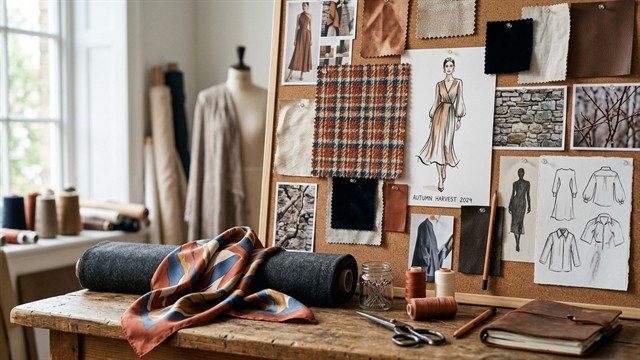
- Collecting a mood board: Save on Pinterest or social networks only those images that you are actually ready to wear tomorrow, and not just beautiful art shots.
- Define your style formula: Formulate 2-3 keywords for your aesthetic (for example, “relaxed minimalism with boho elements”).
5 practical exercises to develop observation skills
You can train your visual intelligence daily with simple habits:
- Study the runway details: Don’t watch the entire show, but pay attention to the styling: how the shirt is tucked in, what accessories are chosen, how textures are combined.
- Analyze movie costumes: Pay attention to the work of costume designers in cult films and TV series.
- Deconstruct other people's outfits:Ask yourself why a particular look looks stylish (is it the cut, proportions or color?).
- Try on the unusual: In stores or when sewing, try silhouettes that previously seemed “not yours” to you.
- Create an “Inspiration” folder: Sort your saved shots into categories: “Autumn”, “Outerwear”, “Color combinations”.
Tailor's advice
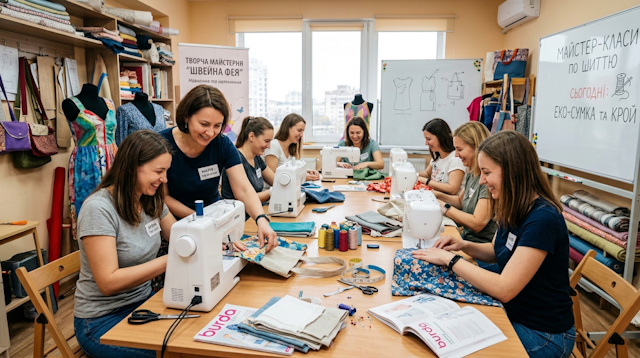
The main secret of individual style is the perfect fit of the item to your figure. No trendy item will look stylish if it pulls at the armhole or bulges at the waist. Tested ready-made patterns from our catalog will help you create a basic wardrobe of your own design with a perfect fit.
Frequently asked questions (FAQ)
Is it possible to mix several styles in one wardrobe?
Not only is it possible, but it is necessary! Modern fashion is based on eclecticism. The combination of a classic jacket with sneakers or a delicate silk dress with a rough jacket creates that very unique personal style.
Where to start building a wardrobe if you don’t have a budget for brands?
Start with quality basic patterns and good fabrics. Self-tailoring or customizing items to fit your parameters looks premium, regardless of the cost of the material.
How to quickly understand whether the selected colors suit me?
Apply fabric or formulate sets in natural daylight in front of a mirror. If the color “illuminates” the skin and makes the look expressive without makeup, this is your palette.
Expertly designed patterns are the key to a perfect fit of any product. To be the first to learn about the intricacies of design, modeling and trends in the sewing world, subscribe to our video channel Pattern - Ready-made patterns.