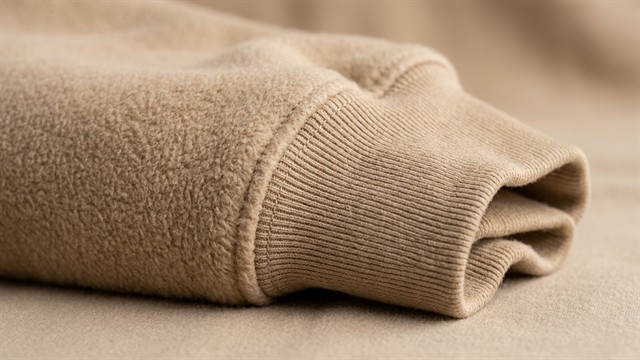
Cozy, stylish and durable, the hoodie is an essential item in your fall/winter wardrobe. However, even an ideal cut will not save the product if the fabric stretches after the first wash and the cuffs lose their elasticity. The secret of the perfect hoodie, which keeps its shape for years, lies in the proper selection of the density of the footer, the correct cushion for finishing and adherence to the technology for processing knitted seams.
Contents of the article
- Types of footer: 2-thread, 3-thread loop and fleece - what to choose
- Cashkorse and ribana: how to choose garters to match the tone and density
- Secrets of preventing deformation and pilling
- Technological subtleties of sewing knitwear at home
- Tailor's tip: stabilizing shoulder seams and neckline
- Frequently asked questions (FAQ)
Types of footer: 2-thread, 3-thread loop and fleece - what to choose
Footer is a natural cotton fabric with a special weave, where additional lining threads are laid on the reverse side. The density and thermal insulation of the future product depends on their quality and processing method.
- 2-thread footer (density 220–240 g/m²): Lightweight fabric for summer and mid-season sweatshirts, not suitable for a bulky hoodie with a hood.
- Footer 3-thread loop (weight 320-360 g/m²):The optimal choice for a shape-resistant hoodie. The diagonal loop on the inside holds the volume perfectly and prevents the fabric from stretching.
- 3-thread fleece footer (density 330–380 g/m²):The warmest option with soft, thick pile inside. Requires mandatory preliminary decating, as it shrinks.
Cashkorse and ribana: how to choose garters to match the tone and density
To process the cuffs, the bottom of the hoodie and the neck trim, a highly elastic fabric with an elastic band is used - cashkorse (knitting 2x2) or ribana (knitting 1x1).
The main mistake is using a cash-corse that is too thin on a thick footer. The density of the garter must strictly correspond to the density of the main fabric (for 3 threads, choose a cash-corse with a density of 380–450 g/m² with an elastane content of 5%). If the cash-corse is weak, the cuffs will quickly stretch and hang down at the tails.
Secrets to preventing deformation and pilling
To keep your hoodie looking impeccable, when purchasing fabric, pay attention to the quality of the raw materials:
- Compact Penye quality:Using long cotton fibers. The fabric is smooth, silky, does not pill and does not lose its shape.
- Ring quality (Carde): Medium fiber length, may produce small pellets in areas of friction.
- Open End Quality (O.E.): Short fibers, the fabric quickly loses its shape and stretches at the elbows.
Technological subtleties of sewing knitwear at home
When sewing a hoodie on a household machine and overlocker, be sure to use special accessories and settings: Stretch / Jersey needles No. 80–90 with a rounded tip, which pushes the fabric threads apart without punching them, and also set the overlock differential to a slightly seating mode.
Tailor's advice
The main secret of a professional hoodie is gluing the shoulder seams and the entrance to the kangaroo pocket with thread-stitched adhesive tape or silicone tape. This prevents these knots from stretching under the weight of the hood and during wear. Checked ready-made patterns from our catalog will help you calculate the ideal volume and fit the hood.
Frequently asked questions (FAQ)
Do I need to wash the footer before cutting?
Yes, definitely! Natural cotton in the footer shrinks from 5% to 10%. Wash the fabric at 30°C or dry it thoroughly with a steam iron.
What stretch coefficient should I use for the cuff corse?
The standard coefficient is 0.75–0.8 of the length of the cut (the length of the cash-corse part is equal to the length of the cut on the hoodie, multiplied by 0.75–0.8).
How to apply keeper tape to the neck from the back side?
Sew a 10 mm wide cotton keeper tape along the seam of the hood from shoulder to shoulder from the back, bend down and overlap the seam allowance, securing with a finishing stitch.
Expertly designed patterns are the key to a perfect fit of any product. To be the first to learn about the intricacies of design, modeling and trends in the sewing world, subscribe to our video channel Pattern - Ready-made patterns.

Apparel Industry Hub in Telegram
Community of garment manufacturers, tailors and designers. Daily fresh workshop vacancies, verified factories database and direct contacts.