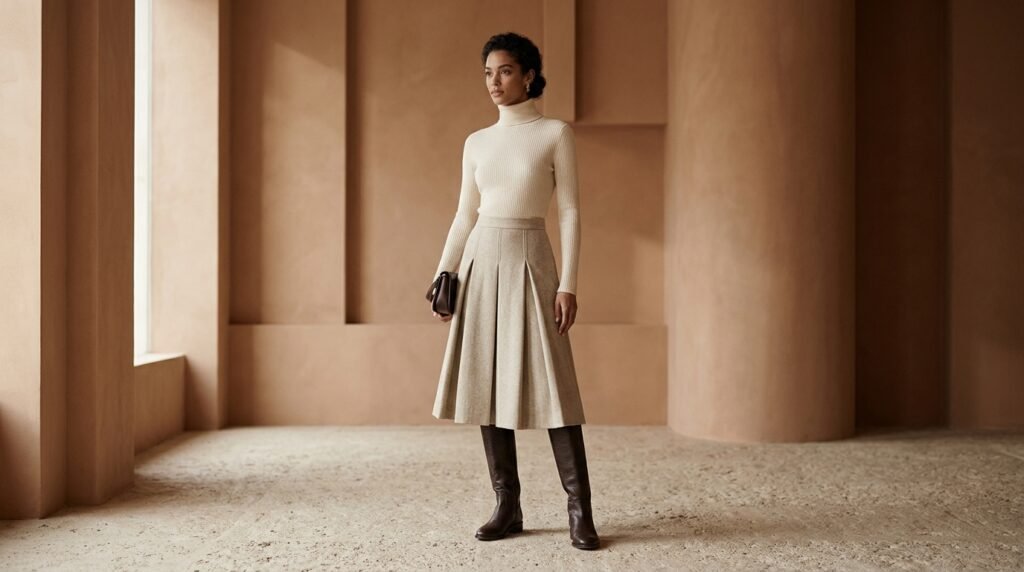
The pivotal runway shift for the 2026/2027 winter season in the waistline group marks a decisive return to sculpted feminine architecture: shapeless silhouettes yield to structured A-line skirts, refined below-the-knee cuts, and substantial pressed pleating. In our pattern-making atelier, we translated high-couture concepts into wearable urban staples, focusing on stable suitings, tactile tweed, and supple faux leather that maintain architectural volume beneath heavy winter outerwear. In this comprehensive guide, we dissect updated length proportions, precise ease allowances across European sizes 36 to 46 (US 4 to 14), and strategic styling rules to preserve a sleek vertical line.
- 1. Length Proportions 2026/2027: The Revival of the Below-the-Knee Milestone and Midi
- 2. Sculptural A-Line Silhouettes and Mid-Century Geometry in Winter Woolens
- 3. The Tailored Pencil and Column Skirt: Stride Ergonomics and Vent Placement
- 4. Deep Inverted Pleats and Knife-Pleated Geometry: Controlled Dynamic Flare
- 5. Supple Leather, Faux Suede, and Bouclé Tweed: The Material Palette
- 6. Styling and Proportions: Layering Winter Skirts in 2026/2027
When our studio team analyzed the defining runway presentations for winter 2026/2027, one structural reality emerged: the skirt has evolved from an understated wardrobe staple into the commanding anchor of the total look. Following years of oversized trouser dominance, fashion houses have decisively reinstated a structured frame for the lower silhouette. Yet untreated high-fashion concepts rarely withstand the functional rigors of a harsh winter city: rigid crinolines clash with heavy overcoats, while ethereal silks fail to provide basic thermal insulation.
The pattern maker's core objective when translating runway trends into production patterns is preserving geometric purity while engineering genuine stride ergonomics and heavy-fabric adaptability. Across our winter collection prototyping, our team rigorously tested dozens of samples in worsted wool, bouclé tweed, cashmere coatings, and tailored leather. Below is our definitive design and technical guide covering the five key winter 2026/2027 skirt silhouettes, layering rules, and professional construction formulas.
1. Length Proportions 2026/2027: The Revival of the Below-the-Knee Milestone and Midi
The most profound proportional recalibration for winter 2026/2027 centers on hem placement. While previous cycles privileged floor-sweeping maxi lengths, the new winter aesthetic anchors itself strictly around the tailored midi line — extending from the mid-kneecap to the upper third of the calf (an average side-seam length of 68 to 78 cm for a height of 168 to 172 cm).
Why the below-the-knee milestone leads winter fashion: From an architectural and practical perspective, mid-calf hems deliver dual advantages: they shield against freezing crosswinds when paired with tall boots and eliminate contact with wet street surfaces. When patterning these garments, we pay meticulous attention to the calf apex line. If a hem terminates precisely across the widest point of the gastrocnemius muscle, the silhouette appears visually truncated. The pattern-making solution is to drop the hem 3 to 4 cm below the maximum muscle curve or elevate it to the infrapatellar fold.
Waistband geometry and rise variations:
- Natural high-rise positioning: Designed for hourglass silhouettes styled with wide belts. Here, a deep lumbar back dart (3.5 to 4.5 cm intake) is indispensable to prevent gaping during forward movement.
- Dropped mid-rise waistband (4 to 6 cm below natural waist): Predominant on column skirts and hip-yoke pleats. The contoured facing functions as a stabilization yoke over the iliac crests, reinforced with grainline stay-tape to eliminate diagonal stretching.
2. Sculptural A-Line Silhouettes and Mid-Century Geometry in Winter Woolens
Mid-century couture inspirations re-emerge in winter 2026/2027 not as literal vintage nostalgia, but as pure, reductive geometric trapezoids. This silhouette sits neatly through the high hip, flares evenly outward, and maintains a rigid architectural base hem circumference.
Pattern construction techniques for stable volume:
1. Vertical princess style lines: Shifting standard waist darts into full-length vertical seams from waistband to hem distributes flare symmetrically while creating rigid vertical support columns.
2. Deep structural hems (5 to 7 cm depth): A substantial hem allowance fused with lightweight interfacing serves as a weighted stabilizer, compelling the hem to maintain a crisp oval profile in motion.
3. Resilient fabric selection: Dense twill-weave suitings (320 to 420 gsm), wool gabardine, compact houndstooth tweed, and technical wool-polyamide blends provide optimal spring-back memory.
Ease allowances and fabric requirements: For tailored A-line wool skirts, we incorporate minimum design ease: 1.0 to 1.5 cm at the waist (accommodating tucked-in fine-gauge knitwear) and 3.0 to 4.5 cm across the fullest hip, expanding by 18 to 25 cm per half-pattern toward the hemline.
Estimated yardage for standard 145-150 cm fabric width (75 cm finished length):
— Sizes 42 to 46 (EU 36 to 40): 1.45 to 1.65 m shell fabric, 1.10 m breathable viscose lining.
— Sizes 48 to 52 (EU 42 to 46): 1.85 to 2.10 m shell fabric, 1.35 m lining.
— Add 0.35 to 0.45 m for large scale plaid pattern matching across side seams.
3. The Tailored Pencil and Column Skirt: Stride Ergonomics and Vent Placement
The structured straight pencil skirt makes an authoritative return to executive and city tailoring, recalibrated for contemporary physical comfort. Severely restricted pencil silhouettes give way to functional column cuts integrated with calculated vent architecture.
Vent placement and mobility engineering:
Deep front princess-seam slits: Located directly along the vertical line of the front dart (left or right side), exposing the knee dynamically during forward movement while elongating leg proportions.
Enclosed side-seam vents: Highly recommended for genuine leather, faux suede, and heavy double-knit jersey. An optimal side vent depth of 22 to 26 cm on a 75 cm skirt ensures comfortable walking strides without seam corner distortion.
Ease calculations for narrow profiles: The most frequent error in winter pencil skirt tailoring is applying lightweight summer ease. Heavy woolens lack spandex fluidity, requiring a minimum hip ease allowance of 2.0 to 2.5 cm for sizes 42 to 46, and 2.5 to 3.5 cm for sizes 48 to 52. Insufficient ease creates horizontal pulling lines across the lower pelvis and subjects seam allowances to extreme stress when seated.
4. Deep Inverted Pleats and Knife-Pleated Geometry: Controlled Dynamic Flare
Winter 2026/2027 pleated skirts abandon flimsy micro-chiffon accordion textures in favor of bold, deep knife and inverted box pleats ranging from 3.5 to 6 cm in width, crafted from dense suitings, wool crepe, and supple lambskin.
Fullness ratio and waist bulk reduction: Standard 1:3 fullness ratios on fabrics exceeding 320 gsm result in excessive waistband bulk. In our studio, we solve this through two proven construction techniques:
- Edgestitched hip stabilization: Pleats are topstitched along their inner fold 1 to 2 mm from the edge down 16 to 19 cm from the waistline to the lower hip. This preserves a flat, smooth abdominal line and releases dynamic fullness strictly below the hip.
- Structural hip yoke drafting: The upper waist-to-hip zone is cut as a smooth, darted contour yoke, with pleated panels joined below the prominent hip curve, saving up to 25% fabric weight.
Yardage requirements for pleated designs: For a 75 cm length skirt with a 1:2.2 pleating ratio: sizes 42 to 46 require 1.80 to 2.00 m of 150 cm fabric; sizes 48 to 52 require 2.20 to 2.50 m across three balanced panel widths.
5. Supple Leather, Faux Suede, and Bouclé Tweed: The Material Palette
Tactile depth defines winter 2026/2027 luxury styling. Three material categories dominate tailored skirts: matte vegan leather in rich espresso, oxblood, dark olive, and slate; micro-elastic faux suede; and dense Scottish-style bouclé tweed.
Constructing with leather and suede: Knit-backed faux leather naturally exhibits transverse crosswise stretch, making it susceptible to posterior sagging ("seat bagging"). To counteract this, always pair leather skirts with a dedicated viscose lining cut with an extra 0.5 to 1.0 cm hip ease. The lining absorbs friction against winter hosiery and redistributes seated tensile forces away from the leather shell.
Stabilization and interfacing guidelines:
- Waistbands require firm grainline-reinforced fusible canvas or specialized perforated waistband tape.
- Zipper openings, side-seam upper sections, and slant pocket entries must be reinforced with 10 to 12 mm stitch-reinforced fusible stay tape.
- Tweed hems should be interfaced with 35 to 45 gsm bias-cut knit tricot interfacing to arrest fraying while maintaining fluid hem drape.
Winter skirt fitting precision relies directly on machine settings and disciplined pressing technique. Always pre-shrink woolens with thorough steam pre-pressing (sponging) prior to cutting, as tailored wool shrinks 2.5 to 3.5% lengthwise. For wool suitings, gabardine, and tweed (260 to 420 gsm), install Universal size 80 or 90 needles and 40 or 50 weight core-spun polyester thread with a 2.5 to 3.0 mm stitch length. Press seams at 150 to 170 °C with burst steam through a damp press cloth, clamping immediately with a wooden tailor clapper until the wool cools completely flat without shine. For faux leather and suede, use Leather or Microtex size 75 or 80 needles, a Teflon non-stick presser foot, and an extended 3.2 to 3.5 mm stitch length (dense stitching perforates leather like postage stamps). Press leather seams strictly from the wrong side at 100 to 110 °C dry heat using heavy parchment paper.
6. Styling and Proportions: Layering Winter Skirts in 2026/2027
Even a flawlessly patterned skirt loses impact if matched with conflicting outerwear lengths or improper footwear heights. Winter 2026/2027 mandates clear vertical continuity.
The seamless hem-to-boot transition: The defining pairing of the season matches tailored midi skirts with tall, straight-shaft leather riding boots on sturdy block heels. The non-negotiable rule: avoid visible bare skin or sheer tights between the skirt hem and the boot top. The boot shaft must extend at least 5 to 8 cm under the skirt hemline, forging an uninterrupted column of color that visually elongates the silhouette.
Balancing top and bottom volumes:
- Sculptural A-line and full pleats: Style with fitted, compact tops — cropped tailored jackets (48 to 54 cm center back length), fine-gauge merino wool turtlenecks tucked cleanly into the waistband, or slim knit cardigans cinched with leather belts.
- Straight pencil columns: Pair with broad-shouldered masculine blazers, relaxed chunky cable-knit sweaters French-tucked at the center front, or tailored longline wool vests.
- Matte leather skirts: Offset sleek leather surfaces with soft tactile knitwear — brushed cashmere, mohair blends, or lofty flannel. Monochromatic leather-and-cashmere pairings epitomize quiet luxury.
Coat hem coordination: Tailored wool overcoats should either extend 5 to 7 cm past the skirt hem to fully encapsulate the garment, or remain deliberately cropped above mid-thigh. A disjointed 2 to 3 cm sliver of skirt peeking beneath a coat creates visual clutter.
 Free
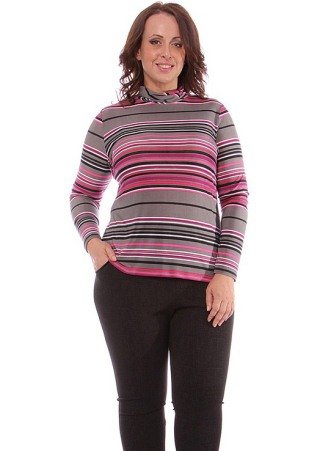
Women's Jumper Pattern DG024 - PDF Digital Pattern
View Pattern →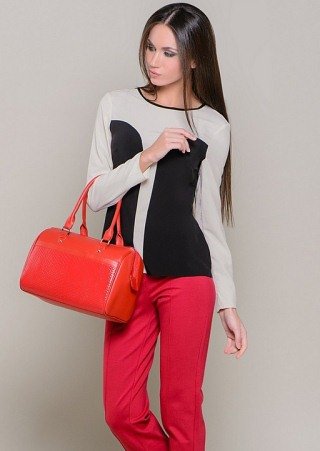 Free
Women's jumper pattern
View Pattern →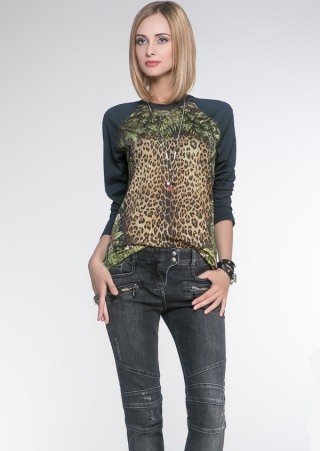 Free
Women's jumper pattern
View Pattern →Craft Precision Winter Skirts with Professional Digital Sewing Patterns
Discover our comprehensive pattern library featuring architectural A-line, vented pencil, and knife-pleated skirt patterns engineered with dedicated winter fabric ease allowances and complete construction guides.
Explore Skirt Sewing Patterns
Apparel Industry Hub in Telegram
Community of garment manufacturers, tailors and designers. Daily fresh workshop vacancies, verified factories database and direct contacts.