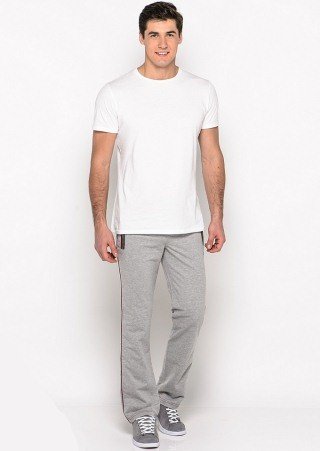
Trouser Fit Architecture & Ergonomics
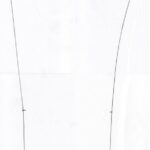
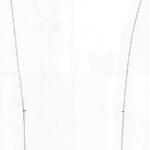
Anatomical trouser tailoring ensures comfortable movement and a clean silhouette. Center seam, inseam, and knee lines are graded according to standard European body proportions. The pattern set includes waistband, pocket pieces, and fly facing.
Table of Contents
Fabric Consumption & Materials Table
Recommended Fabrics: Suiting fabrics, cotton with elastane, denim, gabardine, linen, dense french terry or jersey knitwear.
Size Chart & Fabric Consumption View Details
| Size | Waist Girth (cm) | Hip Girth (cm) | Side Seam Length (cm) | Fabric Consumption (140 cm width) |
|---|---|---|---|---|
| 42 – 44 | 66 – 72 | 90 – 96 | 102 – 104 | 1.20 – 1.35 m |
| 46 – 48 | 74 – 80 | 98 – 104 | 104 – 106 | 1.40 – 1.55 m |
| 50 – 52 | 82 – 88 | 106 – 112 | 106 – 108 | 1.60 – 1.80 m |
| 54 – 56 | 90 – 98 | 114 – 120 | 108 – 110 | 1.85 – 2.10 m |
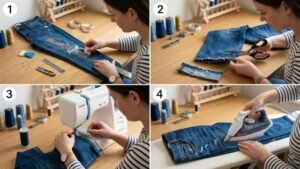
Step-by-Step Sewing Process
- Trouser Pressing & Shaping: Steam-shrink fabric, stretch and shape back trouser legs along the crotch curve for a clean seat fit.
- Pocket Construction: Assemble side slant pockets or in-seam pockets.
- Side & Inseam Assembly: Stitch side and inseam seams, pressing seam allowances open or to one side.
- Crotch Seam & Fly Assembly: Install zipper fly front and stitch crotch seam with a reinforced elastic stitch.
- Waistband & Hemming: Attach waistband with elastic tape or waistband canvas, and hem trouser cuffs.
Styling Capsules & Ready Outfits
This model integrates seamlessly into any capsule wardrobe. Pair it effortlessly with everyday basics or elevated designer accessories to craft a polished, expressive look.
🏭 Contract Manufacturing & Factory Production
Find a verified garment factory or sewing contractor to produce this style: