

Comfortable Knitted Cut & Freedom of Movement
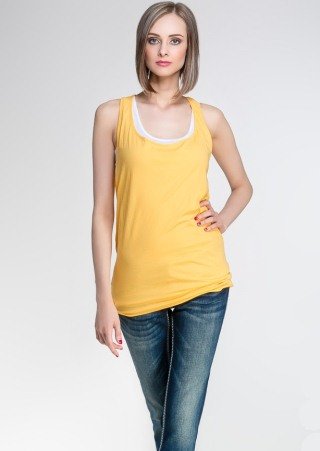
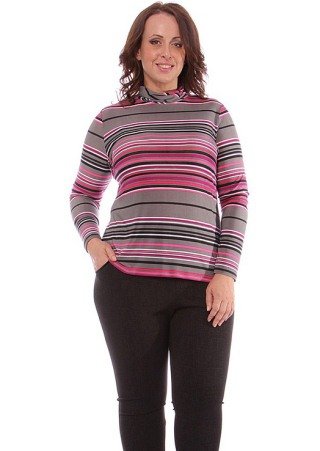
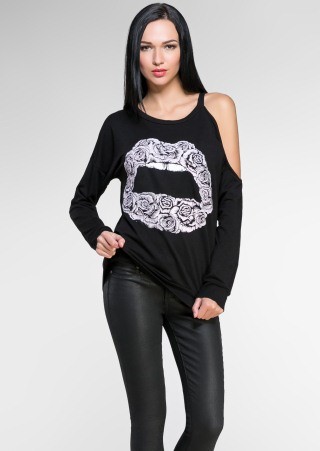
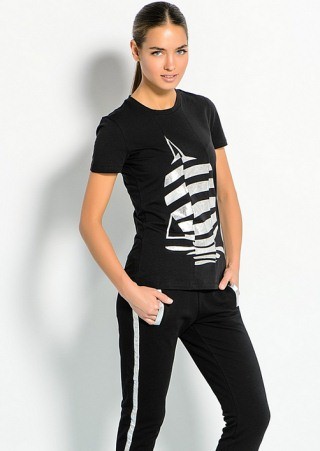
A contemporary knitwear staple with an ergonomic comfortable fit. This model looks great both as a standalone wardrobe piece and in layered stylistic combinations. Optimal ease allowance guarantees full freedom of movement and shape retention after multiple washes.
Table of Contents
Fabric Consumption & Materials Table
Recommended Fabrics: Single jersey, interlock, 2-thread or 3-thread french terry, jersey, rib knit / kashkorse for cuffs and neckline band.
Size Chart & Fabric Consumption View Details
| Size | Bust Girth (cm) | Height (cm) | Main Fabric Consumption | Rib Knit / Trims |
|---|---|---|---|---|
| 40 – 44 | 80 – 88 | 164 – 170 | 0.90 – 1.10 m | 0.20 m |
| 46 – 50 | 92 – 100 | 168 – 176 | 1.15 – 1.35 m | 0.25 m |
| 52 – 56 | 104 – 114 | 170 – 182 | 1.40 – 1.65 m | 0.30 m |
Step-by-Step Sewing Process
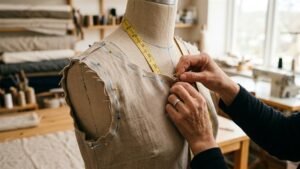
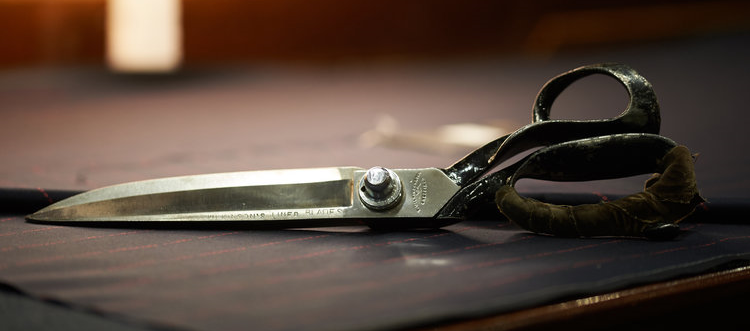
- Knit Fabric Cutting: Cut out pattern pieces strictly following the paper templates using a rotary cutter or tailor shears.
- Shoulder Seams Assembly: Stitch shoulder seams on a 4-thread overlocker, inserting clear elastic or stay tape to prevent stretching.
- Setting in Sleeves: Stitch sleeves into flat open armholes, aligning the center sleeve cap notch with the shoulder seam.
- Neckband / Collar Finishing: Fold the rib knit neckband lengthwise in half, distribute tension evenly, and stitch on an overlocker.
- Side Seams & Hemming: Stitch side seams together with sleeves in one continuous operation, then hem bottom edges on a coverstitch machine or with a twin needle.
Styling Capsules & Ready Outfits
This model integrates seamlessly into any capsule wardrobe. Pair it effortlessly with everyday basics or elevated designer accessories to craft a polished, expressive look.
🏭 Contract Manufacturing & Factory Production
Find a verified garment factory or sewing contractor to produce this style: