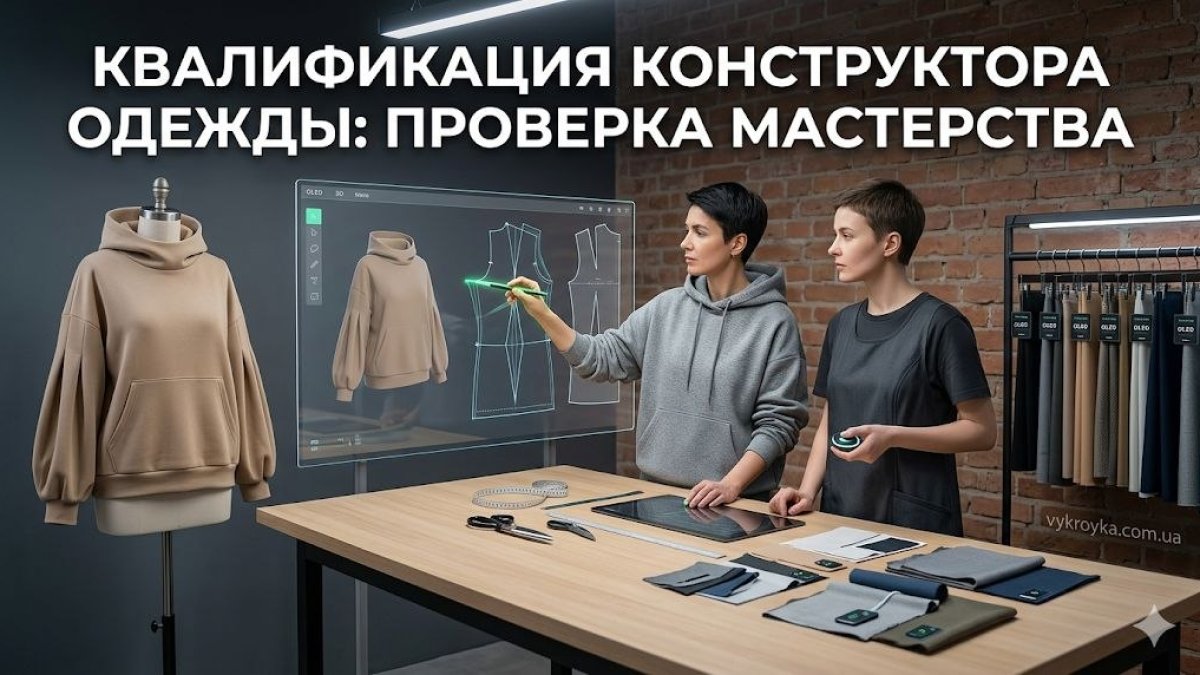
How to determine the real qualifications of a clothing designer to work without CAD
Contents Block 1: Digital stack and working with virtual fitting Block 2: Technological literacy and Phygital thinking Block 3: Structural engineer...

Articles, tutorials and guides tagged with «Sovety Portnogo»
Contents Block 1: Digital stack and working with virtual fitting Block 2: Technological literacy and Phygital thinking Block 3: Structural engineer...

Contents Paradigm shift: From mechanics to data Key barriers that old equipment will not overcome: Analysis by category: What is really needed in 2...
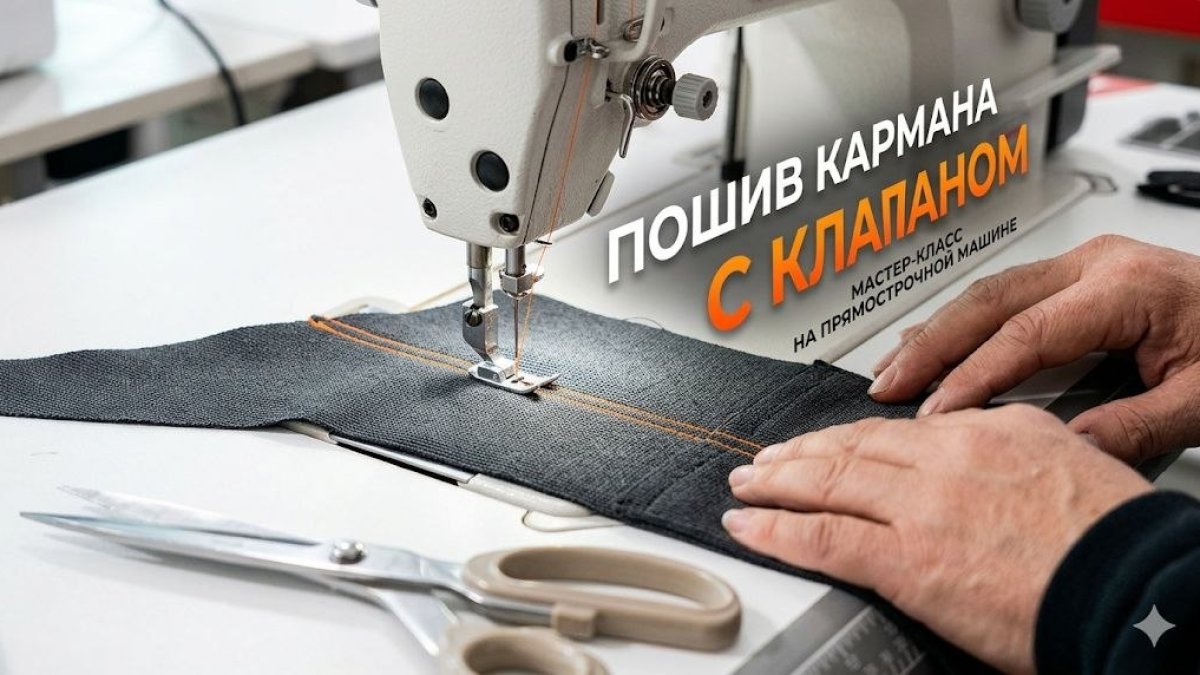
Contents Step-by-step analysis of the process: Preparing and grinding the valve [00:35]: Performing finishing stitches on the valve [01:20]: Markin...

Contents Step-by-step analysis (based on video [AbfFcIoaTcA]) Preparing the collar and attaching the keeper tape: Attaching the zipper and connecti...
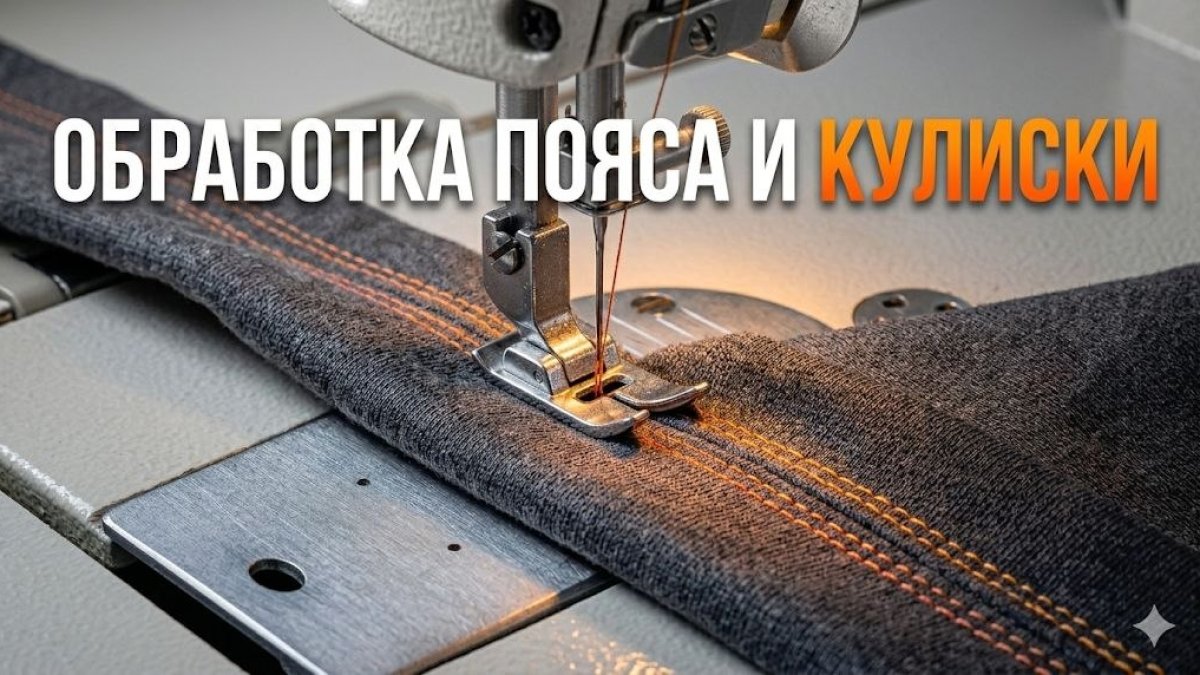
Contents Step-by-step analysis of the process: This knot is often studied: Technological analysis Processing of the waist knot in knitwear (shorts,...

Contents Before purchasing, decide on the purpose of the product: 2. Decating: The most important stage 5. Ironing and care Title The magic of natu...

Contents 1. Preparation and duplication 3. “Clean Back” technology To make the stitching seam inside the collar look perfect: Title The perfect sta...
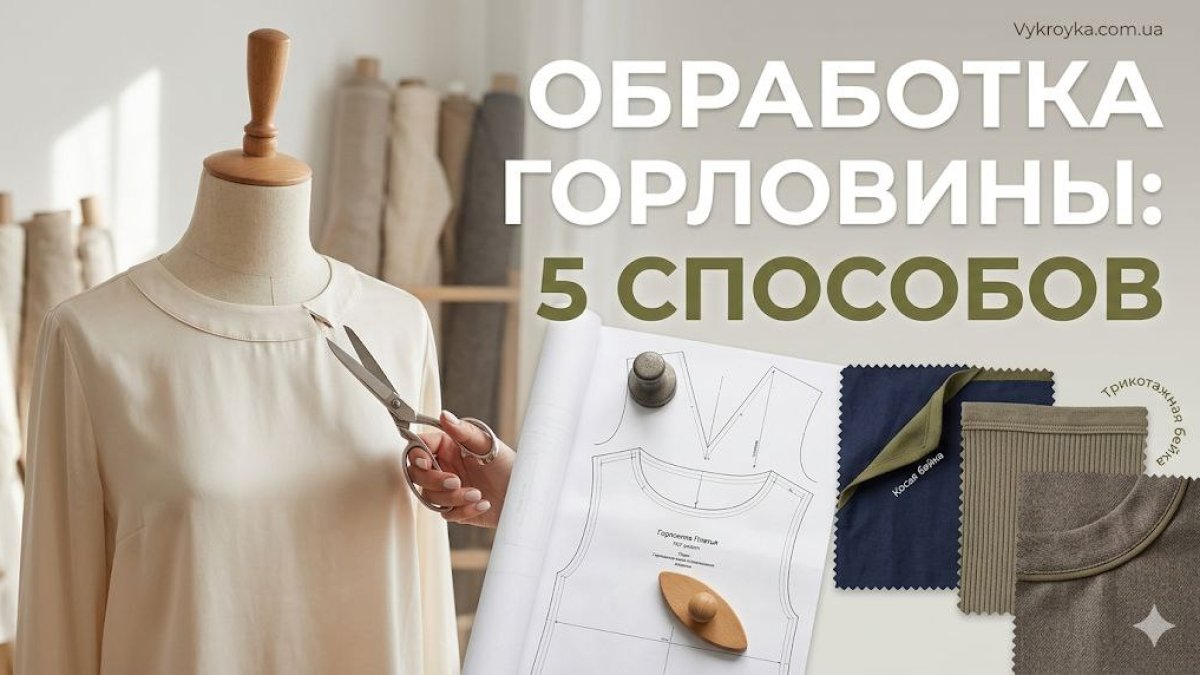
Contents Method 1: Undercut piping Method 2: Bias binding (edging) Method 3: Knitted piping (roll or facing) Method 4: Processing the placket ("san...
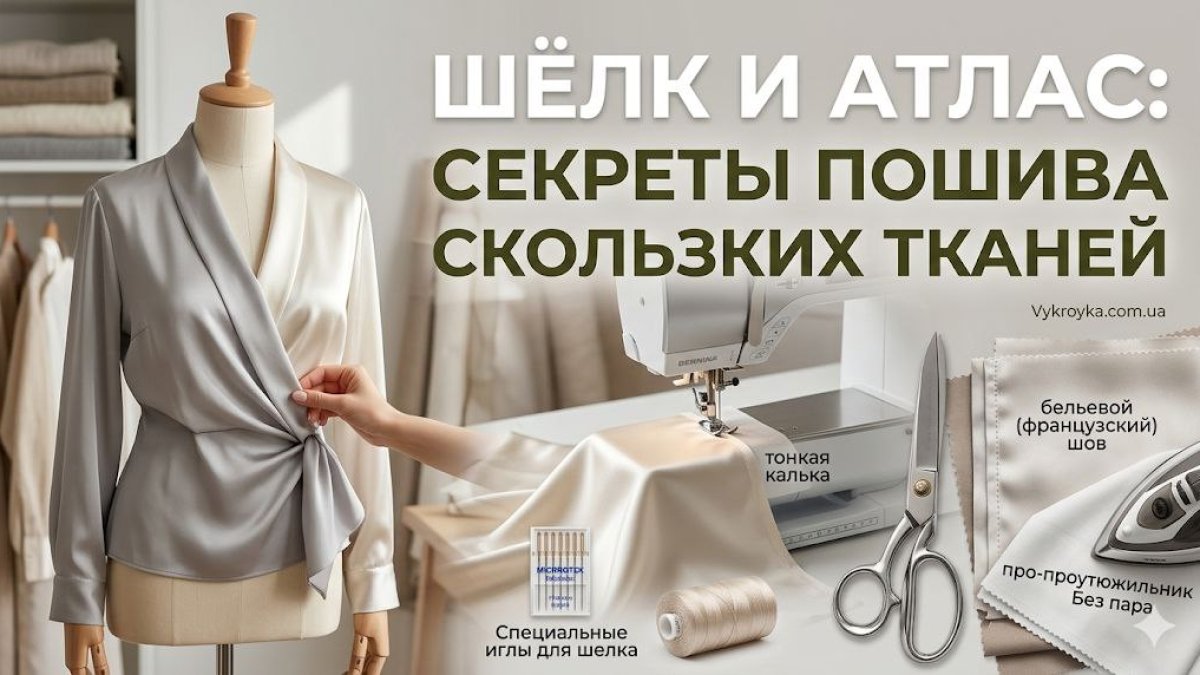
Contents Secret 1: Decatting is required (and correct) Secret 2: Cut “in one layer” and on a backing Secret 3: Use weights instead of pins Secret 4...

Contents 1. Hidden zipper (for skirts and dresses) 2. Classic codpiece (for trousers and jeans) 3. Metal zipper in denim style General rules for su...
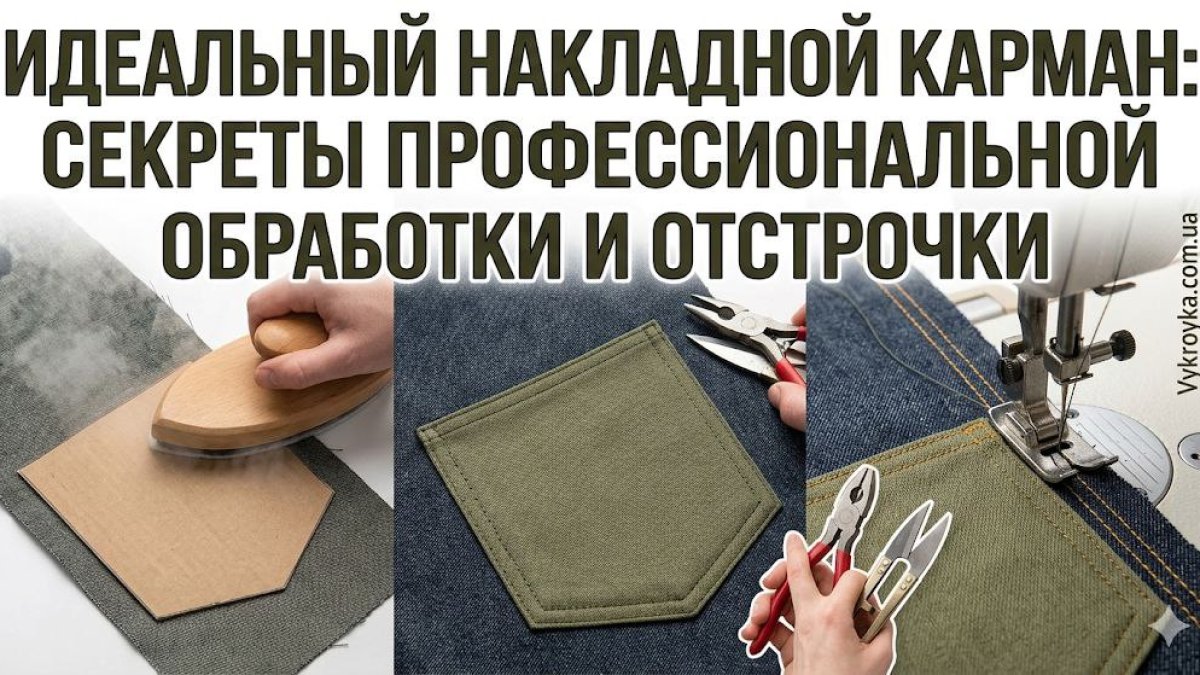
Contents Step 1: Cutting and duplicating Step 2: Preparing the top edge Step 3: Ironing seam allowances (the most important point) Step 4: Fitting ...

Contents Rule 1: Always read the recommendations for the pattern Rule 2: Evaluate the drapability and plasticity of the material Rule 3: Check the ...