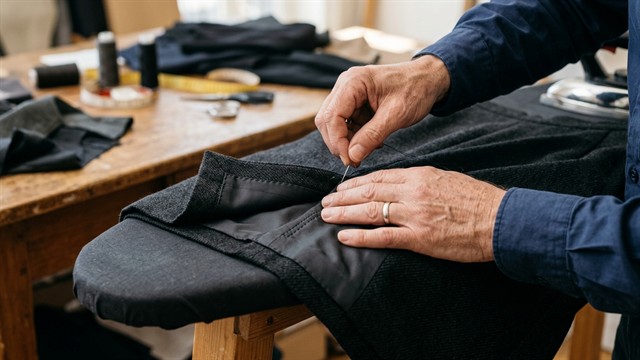
Sewing technology for vents on a coat or midi skirt: correct duplication and hem of the bottom
Processing the vents is a key step when creating coats, jackets and midi skirts with a straight or tapered silhouette. The slot not only provides f...

Articles, tutorials and guides tagged with «Sewing masterclass»
Processing the vents is a key step when creating coats, jackets and midi skirts with a straight or tapered silhouette. The slot not only provides f...
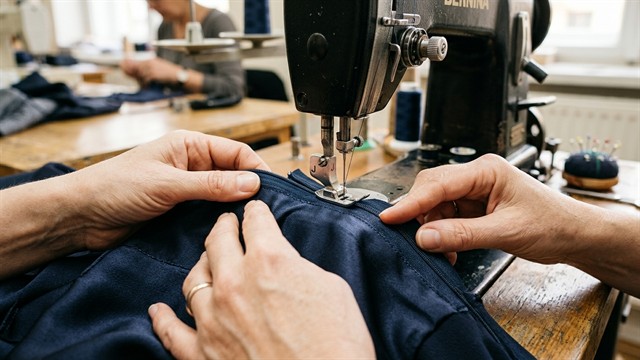
Processing a hidden zipper in products with a lining often causes difficulties for craftswomen: the locking braid can bristle, warp the seam or get...
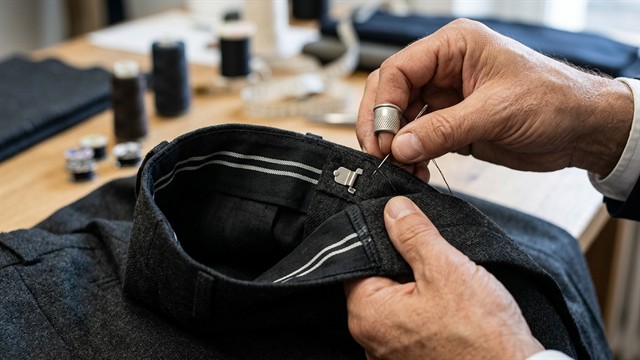
Processing the belt using grosgrain tape and a hidden fastener is a classic technology used in sewing premium quality trousers for men and women. C...
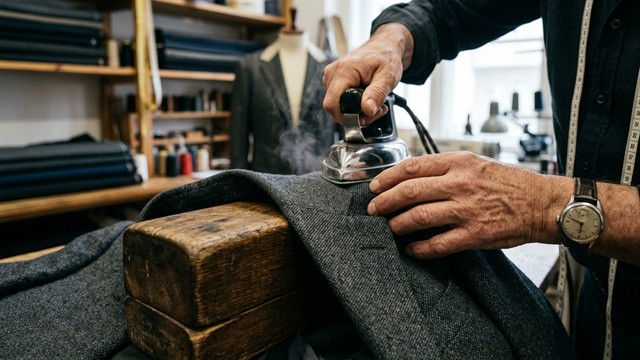
Processing a jacket-type turn-down collar with lapels is one of the most important stages in the creation of jackets, blazers and classic coats. Fl...
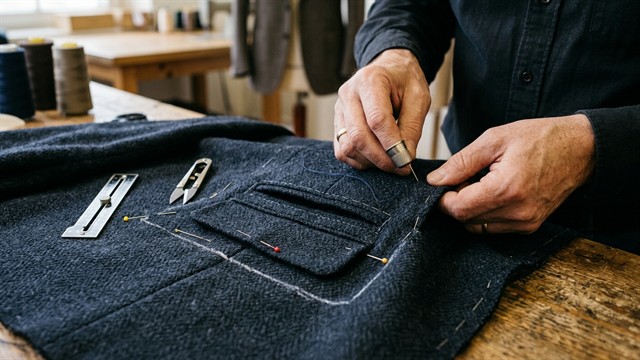
A framed welt pocket with a flap is one of the most important and revealing units in the art of sewing. It is the quality of this element that dete...

Analysis of key design and technological trends in women's dress design for the Autumn 2026 season for clothing industry specialists. Features of c...

Contents Technical block SEO: Technological analysis of the process Main technological stages and design features: Conclusion: Technical block SEO:...

Contents Step-by-step analysis of the process: Cutting and marking parts [00:15]: Assembling sleeves and stitching raglan lines [02:10]: Processing...

Contents Step-by-step analysis of the process: Preparing and grinding the valve [00:35]: Performing finishing stitches on the valve [01:20]: Markin...

Contents 1. Preparation and duplication 3. “Clean Back” technology To make the stitching seam inside the collar look perfect: Title The perfect sta...

Contents Method 1: Undercut piping Method 2: Bias binding (edging) Method 3: Knitted piping (roll or facing) Method 4: Processing the placket ("san...

Contents Secret 1: Decatting is required (and correct) Secret 2: Cut “in one layer” and on a backing Secret 3: Use weights instead of pins Secret 4...