Buying your first sewing machine or upgrading your current setup is a pivotal step for any sewist. The modern market is overflowing with options: from entry-level mechanical workhorses to high-end computerized stations featuring hundreds of stitch patterns and embroidery modules.
How do you navigate technical specifications, avoid overpaying for unnecessary marketing gimmicks, and pick a durable machine capable of cleanly sewing both sheer silk chiffon and heavy multi-layered denim? Let''s review the essential selection criteria.
Major Types of Sewing Machines: Which One Do You Need?
- Mechanical (Electromechanical) Machines: The most reliable and affordable category for home crafting. Controls are entirely mechanical (knobs and dials for stitch length and width). They are straightforward to master, low-maintenance, and ideal for basic garment alterations, home textiles, and everyday sewing projects.
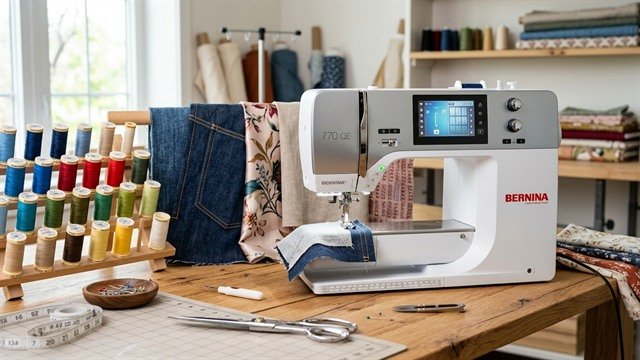
- Computerized Sewing Machines: Powered by an internal microprocessor and LCD screen. In place of dials, you get intuitive push-button controls. These machines offer a vast library of stretch and decorative stitches, fully automated one-step buttonholes sized to your specific buttons, needle up/down programming, and smooth speed sliders for sewing without a foot pedal.
- Sewing & Embroidery Combos: Hybrid high-tech machines designed for customizing garments with intricate monograms, embroidery motifs, and patches. They require specialized design software and digitizing knowledge.
Key Technical Features to Inspect Before Buying
1. Hook System (Shuttle Type)
- Vertical Oscillating Hook: The classic mechanism found in budget mechanical machines. Durable all-metal build, but runs louder, limits maximum stitch width to 5 mm, and requires frequent oiling.
- Top-Loading Drop-In (Horizontal Rotary) Hook: The gold standard in modern sewing machines. The bobbin drops in from the top under a clear cover, allowing you to monitor thread levels easily. It runs significantly quieter and supports wider stitch widths up to 7 mm.
2. Motor Power & Penetration Force
Always inspect the actual motor wattage (preferably 60–75W+ for domestic machines). A weak motor will stall, overheat, or skip stitches when sewing through heavy seam intersections, denim hems, or coatings.
3. Adjustable Presser Foot Pressure
A non-negotiable feature for versatile sewing! Without manual or electronic pressure adjustment, the machine will stretch delicate knitwear or struggle to feed heavy wool and canvas.
Top 3 Buying Mistakes to Avoid
- Chasing Stitch Count: Beginners often pay extra for 150+ built-in stitches. In reality, 95% of practical sewing relies on 6–8 core stitches: straight stitch, triple stretch stitch, zigzag, overcast stitch, blind hem, and automatic buttonhole.
- Cheap Lightweight Plastic Chassis: Ultralight machines with internal plastic gearing wear out prematurely and skip stitches under heavy workloads. Look for an internal metal frame.
- Ignoring Included Accessories: Ensure the model includes essential presser feet (zipper foot, 1-step buttonhole foot, blind hem foot) and standard bobbins.