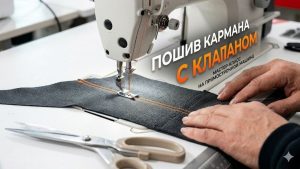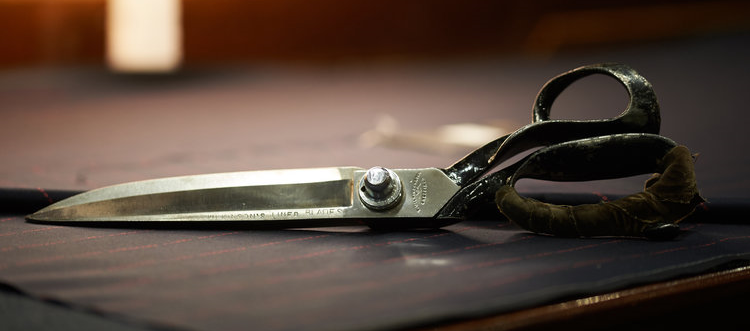
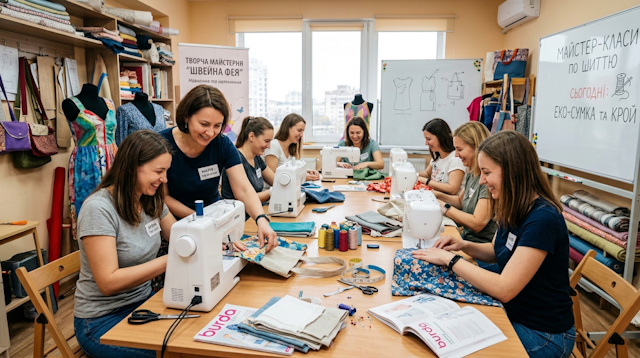
Sewing a zipper is a basic sewing operation, but it is also where the most common defects occur: wavy edges, skewed teeth, and jammed zippers. Depending on the type of product (jacket, bomber, sweatshirt, pocket or skirt), various design solutions are used. In this video tutorial we demonstrate in detail 3 professional ways to sew in a zipper.
Contents of the video tutorial on sewing in zippers
- 1. Method 1: Sewing a zipper into the welt frame of a pocket with facings
- 2. Method 2: Fastening under the windproof flap of a jacket or hoodie
- 3. Method 3: Open decorative tractor zipper with 1 mm straight stitching
- 4. How to avoid waves and stretching of knitwear when attaching a zipper
- Tailor's tip: using a single-foot for close stitching
- Frequently asked questions (FAQ)
1. Framed method
Ideal for chest and welt pockets of jackets and backpacks. The frame is turned cleanly with facings, cut at the corners by 1 mm to the seam and the zipper is placed underneath.
2. “Under the bar” method
Protects against wind and precipitation in sportswear. The zipper is hidden under a one-piece or stitched placket with buttons.
3. Open tractor zipper
Used as a distinctive design accent on sweatshirts and anoraks with chunky plastic teeth in a contrasting color.
Advice to the master
Before sewing a zipper to elastic knitwear, glue the allowances with a water-soluble stabilizer or adhesive web on paper - this will eliminate the wave effect. And you can download patterns for jackets and anoraks in the catalog ready-made patterns.
Frequently asked questions (FAQ)
How to shorten a coiled zipper at the top?
Cut off the excess spiral with pliers, 2 cm from the edge, and install a metal stop or secure it tightly with thread.
Which foot is better: single-foot or Teflon?
The single-horned narrow foot allows you to sew as close as possible to links of any size.
Improve your sewing technology with us! Subscribe to our video channel Pattern - Ready-made patterns.