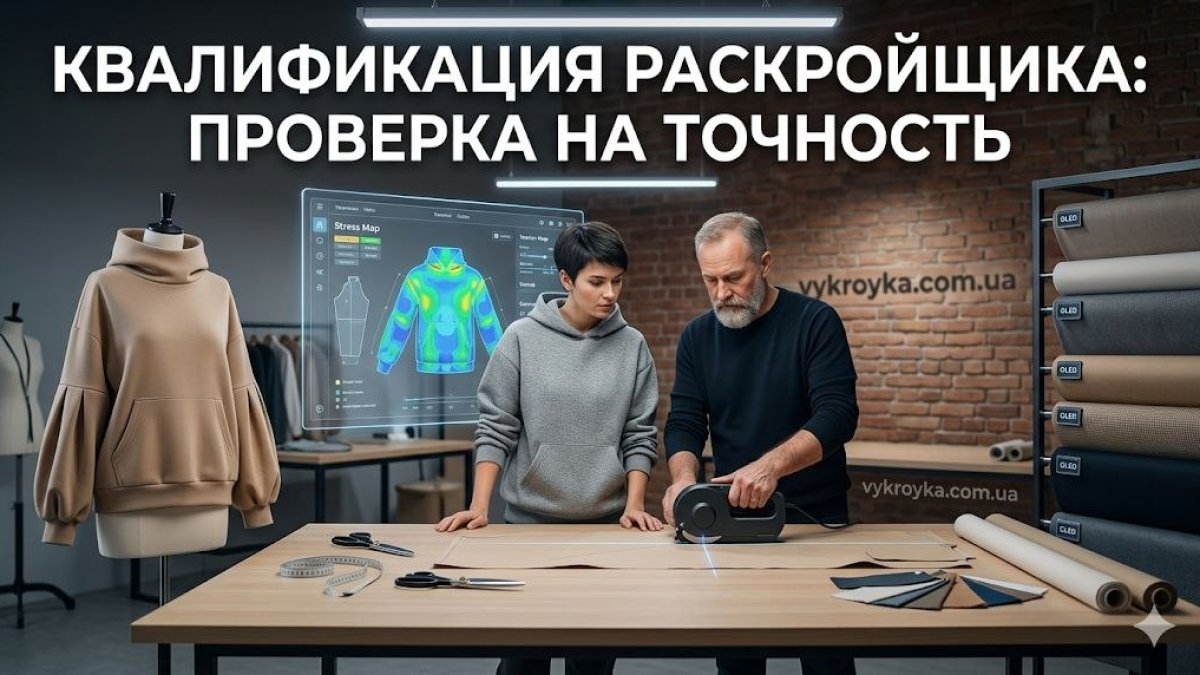
The cutting area is the foundation of sewing production. If the cutter made a deviation in the cuts of even 2-3 mm or skewed the warp thread when laying the fabric, the seamstresses on the production line will not be able to assemble the knot efficiently, and the finished batch of trousers or T-shirts will be screwed. In this article, we publish a step-by-step methodology for practical testing of a cutter when hiring a workshop.
Contents of the testing program
- 1. Testing fabric spreading skills: tension and edge control
- 2. Accuracy of cutting with a circular and saber (vertical) knife
- 3. Cutting and cutting control notches (notching)
- 4. Complex cutting of canvases in checkered, striped and directional print
- 5. Safety precautions and blade care
- Advice to the technologist: tolerances on the geometry of cut parts
- Frequently asked questions (FAQ)
1. Laying the fabric
The cutter must be able to lay the fabric without the slightest tension (especially knitwear and rayon), aligning one base edge of the sheet with a laser line or cutting table guide.
2. Precision cutting with a knife
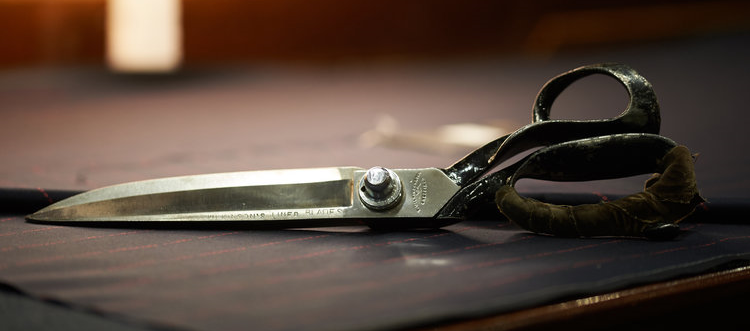
Test for a vertical cut with a saber knife in a layer of 30–50 layers: the upper and lower layers of the cut must be identical in contour with an error of no more than 1 mm.
3. Control notches
The depth of notches along the cuts should not exceed 4–5 mm, so as not to go beyond the technological allowance for the seam and not to weaken the structure.
4. Cut out the checks and stripes
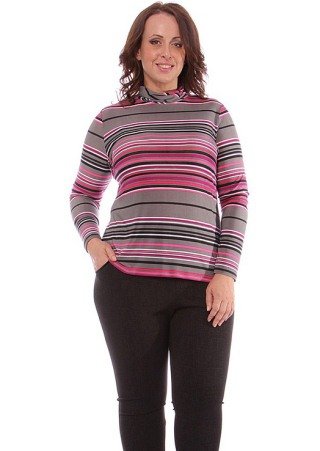
The craftsman must be able to cut the flooring with special locking pins for perfect alignment of the pattern along the side seams and fastener strips.
Advice to the production manager
Be sure to check the presence of a protective metal chain mail glove on the candidate's left hand before launching the electric knife - this is an indicator of factory discipline. And you can purchase precise patterns for cutting in the catalog ready-made patterns.
Frequently asked questions (FAQ)
How long does the cutter's practical test take?
From 30 to 45 minutes: laying down 10 layers of knitwear, tracing the patterns and cutting out the details of a T-shirt or hoodie.
What percentage of waste is considered normal for manual laying?
For basic models made of plain-dyed knitwear, inter-pattern drops should not exceed 12–15%.
Expertly designed patterns are the key to a perfect fit of any product. To be the first to learn about the intricacies of design, modeling and trends in the sewing world, subscribe to our video channel Pattern - Ready-made patterns.