Linen is one of the most noble, environmentally friendly and comfortable natural materials, which enjoys constant popularity in spring-summer collections. However, the capricious nature of linen - its tendency to shrink strongly, fraying of cuts and the mobility of threads when cutting - often frightens novice tailors. In this detailed guide, we share all the subtleties and secrets of sewing linen products.
Guide Contents
- Types of linen: softened (Washed), suit and mixed with viscose
- Correct decaling: how to prevent shrinkage of the finished dress
- Cutting specifics: control of the grain thread and allowances
- Processing of cuts: hemming, French (double) seam and bias tape
- Expert advice: choosing needles, threads and setting tension
- Frequently asked questions (FAQ)
Types of linen fabrics
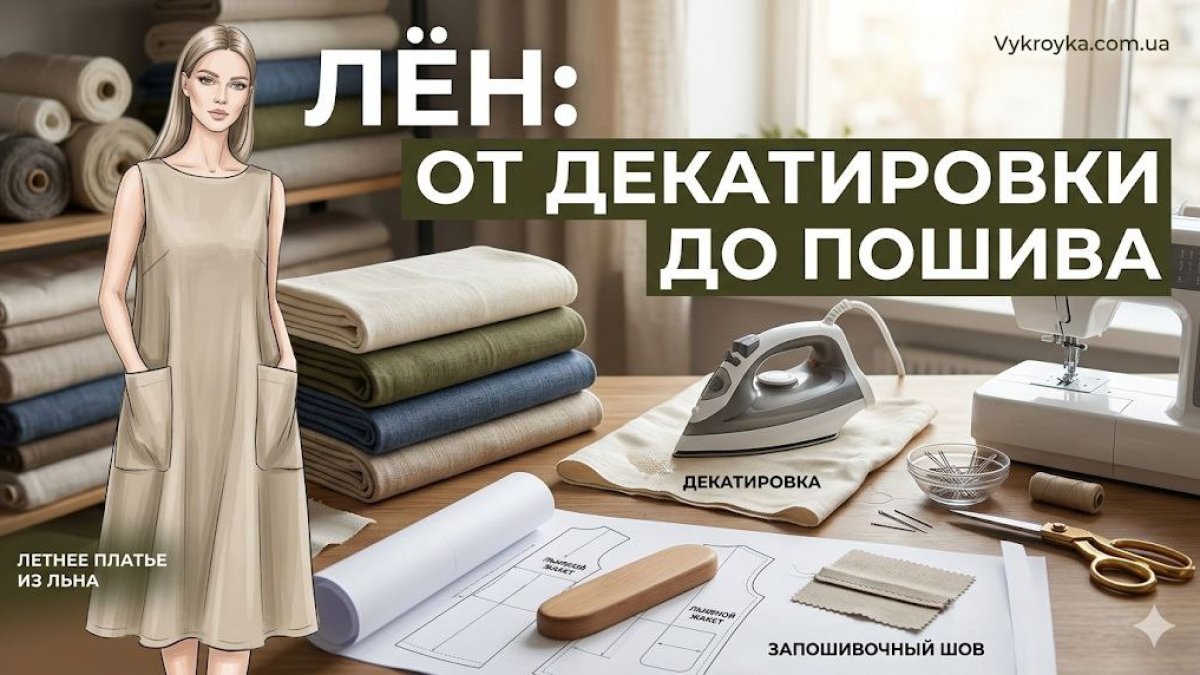
The modern market offers softened linen (Washed Linen), which is not itchy and drapes beautifully, thick suiting linen (220–280 g/m²) for jackets and trousers, as well as linen with viscose, which wrinkles much less.
Correct decating of flax
Linen gives record shrinkage - from 7% to 12%. Be sure to soak the cut in warm water (30–40°C) for 30 minutes, dry flat and iron while wet with maximum steam.
Specifics of cutting
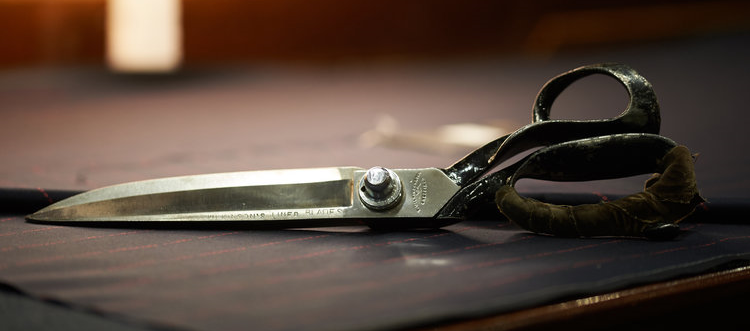
Due to the flowability of the cuts, the seam allowances are increased - from 1.5 to 2.0 cm. Cutting should be done only with sharp tailor’s scissors without shifting the layers.
Clean cutting
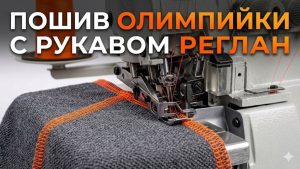
Linen products look great with a luxurious underside: the French closed seam (linen) and the edging of the allowances with thin cotton cambric prevent the threads from fraying during numerous washes.
Tailor's advice
Sew linen with Universal needles No. 75–80 or Microtex for thin fabric, using polyester threads No. 40–50. And our ready-made patterns will help you sew the perfect linen dress or trousers.
Frequently asked questions (FAQ)
How to make a linen item wrinkle less?
Choose mixed compositions: linen 70% + viscose 30% or linen with the addition of silk and elastane.
Which dubbing material can be used to duplicate linen collars and trims?
Use fine woven cotton dublerin to maintain the softness and plasticity of the natural fiber.
Expertly designed patterns are the key to a perfect fit of any product. To be the first to learn about the intricacies of design, modeling and trends in the sewing world, subscribe to our video channel Pattern - Ready-made patterns.