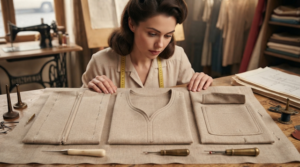
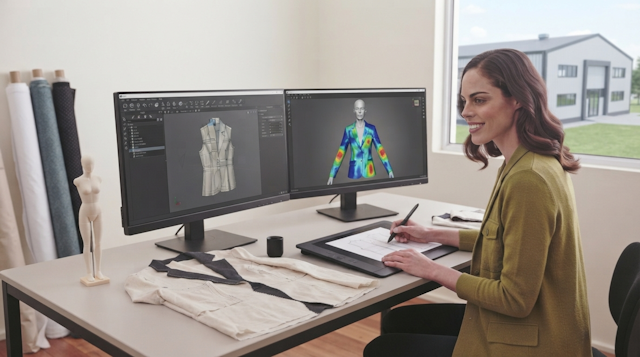
Designing and engineering a new garment collection has traditionally required a sluggish, resource-heavy prototyping pipeline: fashion sketches, initial manual pattern drafting, cutting and stitching muslin samples, physical fitting sessions on live fit models, pattern modifications, secondary cuts... Each iterative sample cycle consumes weeks of development time, premium textile meterage, and expensive engineering hours. How does cutting-edge 3D apparel simulation (specifically Clo 3D) revolutionize fashion production, allowing engineers to validate fit and balance on screen before shears touch fabric?
- 1. Understanding Clo 3D and Digital Textile Physics
- 2. Commercial and Economic Benefits of 3D Virtual Prototyping
- 3. Diagnosing Balance Defects with Stress and Pressure Fit Maps
- 4. Phased Roadmap to Deploying 3D CAD in Pattern Departments
- 3D Technical Specialist’s Advice: Calibrating Physical Fabric Stretch Values
1. Understanding Clo 3D and Digital Textile Physics
Clo 3D is a premier industrial garment engineering suite powered by rigorous mathematical physical solvers simulating textile behaviors. Unlike generic CGI modeling tools (such as Maya or Blender) that sculpt static polygonal surfaces, Clo 3D adheres strictly to authentic tailoring and textile physics:
- Pattern makers import industry-standard 2D vector patterns (via DXF-AAMA or draft natively within the interface);
- Cut pieces are arranged virtually around customized 3D avatars calibrated to your target customer demographic's anthropometric measurements;
- Seam relationships, stitch types, and thread elasticity values are defined;
- The physics engine calculates cloth drape under natural gravity, computing material thickness, areal weight (g/m²), bending rigidity, and multidirectional stretch ratios along warp, weft, and bias.
2. Commercial and Economic Benefits of 3D Virtual Prototyping
Adopting digital prototyping drives dramatic financial efficiencies across the sampling floor:
- Slashing Physical Sampling Overhead by 70–80%: Instead of constructing 3–4 physical mockups to resolve collar spread, jacket lengths, or dart angles, pattern makers modify seam geometry in real time with instantaneous visual feedback. Only a single golden sample is cut prior to bulk production.
- Shrinking Time-to-Market by 3x–4x: Transitioning from moodboard approval to shop-floor bundle cutting shrinks from several months down to 7–10 working days, allowing agile responses to viral micro-trends.
- Pre-Production Marketing Assets: Clo 3D generates hyper-realistic 3D rendering stills and motion runway animations. Brands launch pre-orders and validate market demand weeks before textile bolts arrive at cutting tables.
3. Diagnosing Balance Defects with Stress and Pressure Fit Maps
The definitive engineering advantage of Clo 3D lies in diagnostic visualization tools unavailable during standard live fit trials:
- Stress Fit Maps: Chromatic gradients (ranging from relaxed blue to hyper-tensioned red) pinpoint where garments pull across shoulders or where excess fabric sags into unsightly drag lines.
- Skin Contact Pressure Maps: Quantifies pressure in g/cm², indispensable for athletic compression gear, intimate apparel, and tailored corsetry.
- Dynamic Motion Simulation: Avatars execute motion captures (walking, reaching, bending). This instantly exposes kinematic pattern defects, verifying sleeve comfort and ensuring outerwear hems do not ride up during movement.
4. Phased Roadmap to Deploying 3D CAD in Pattern Departments
To maximize your return on 3D software investments, execute a disciplined onboarding protocol:
- Workstation Specifications: Real-time fabric rendering demands dedicated GPU acceleration (NVIDIA RTX series with 8GB+ VRAM), multi-core processors, and dual-monitor configurations (one dedicated to 2D vector blocks, one for 3D simulation).
- Material Digitization Library: Calibrate your proprietary textile core (terry fleece, jersey knits, linen, tailored wools) using physical sample testing.
- Integration with Production-Ready Pattern Sets: Avoid constructing baseline blocks from scratch in 3D. Import validated digital blueprints from Vykroyka.com.ua. Accurate DXF geometry imports seamlessly into Clo 3D, accelerating virtual draping and fit validation.
Looking for Validated Baseline Patterns for Clo 3D Import?
Explore precision digital sewing patterns from Vykroyka.com.ua: calibrated vector contours and industry-standard seam allowances are ready for instant virtual assembly and 3D fit simulation.
EXPLORE PATTERNS →