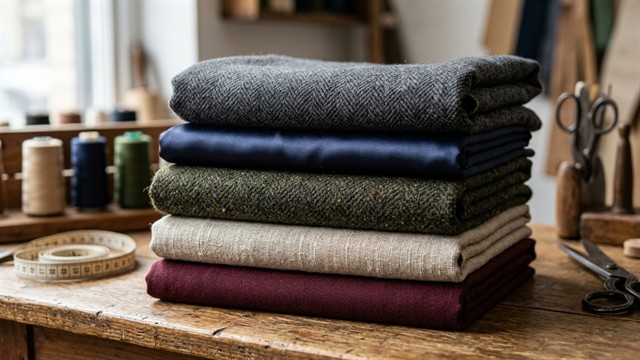
Natural fabrics - wool, silk and linen - are valued for their aesthetic appearance, environmental friendliness and unsurpassed wearing comfort. However, products made from natural fibers require special attention at all stages of care. Mistakes in washing or WTO can cause shrinkage, warping and color loss. In this guide, we will look at professional rules for washing, drying and wet-heat treatment of premium natural fabrics.
Contents of the article
Features of caring for natural wool and cashmere
Wool fibers have a scaly structure, which, under the influence of hot water, aggressive friction and an alkaline environment, falls off, causing severe shrinkage of the product.
- Washing: Hand washing is preferable at a temperature not exceeding 30 °C or the “Wool/Silk” mode in a washing machine without spinning. Use liquid gels with lanolin or special wool products.
- Drying: It is strictly forbidden to twist woolen items. Squeeze out the moisture through a dry terry towel and dry strictly laid out on a horizontal surface away from radiators.
- Ironing: Iron the wool from the wrong side through a damp iron or using dry steam, without pressing the soleplate of the iron too hard against the fabric.
Rules for washing, drying and ironing natural silk
Natural silk is a delicate material made from protein threads, sensitive to high temperatures, direct sunlight and alkalis.
- Washing: Wash by hand in cool water (30 °C) using a mild shampoo or special gel for silk. Do not soak items for longer than 10–15 minutes.
- Rinse: To maintain shine and softness, add 1 spoon of natural table vinegar to the final rinse water.
- Ironing: Iron the silk slightly damp on the reverse side in the “Silk” mode (without using the water spray function to avoid streaks).
Subtleties of linen care: washing, decatching and ironing
Linen is a strong, hygroscopic fiber that can withstand washing well, but is prone to severe shrinkage and wrinkles.
Dyed linen can be washed at temperatures up to 40 °C; white and plain linen fabrics can withstand heating up to 60 °C. Before cutting, linen fabric must bedecatted(washed or heavily moistened followed by ironing), since linen shrinks up to 7-10%.
Iron linen items well moistened at high temperature with steam (“Linen” mode), and then allow the items to cool completely before hanging them in the closet.
Comparative table of temperature conditions
The table shows the recommended washing and WTO parameters for the main types of natural fabrics.
| Material | Washing temperature | Spin mode | Iron temperature | Features of the WTO |
|---|---|---|---|---|
| Wool / Cashmere | 30 °C (manual) | No spin / up to 400 rpm | 110–150 °C (2 points) | Only through the iron, with steam |
| Natural silk | 30 °C (manual) | No spin | 110 °C (1 point) | From the inside out, without sprinkling with water |
| Len | 40–60 °C | 600–800 rpm | 180–200 °C (3 points) | Moist with maximum steam |
Tailor's advice
The main secret of high-quality tailoring of products from natural fabrics isobligatory decating before cutting. Always wash or wet-heat process a piece of fabric exactly in the mode in which you plan to care for the finished item. Tested ready-made patterns from our catalog will help you sew a coat, blouse or trousers with a perfect fit.
Frequently asked questions (FAQ)
What to do if a wool sweater shrinks after washing?
Soak the item in cool water with hair conditioner or balm for 20–30 minutes, then gently wring it out in a towel and stretch it evenly on a horizontal surface to the desired size.
Can linen and wool items be dried in a dryer?
No, machine drying causes severe shrinkage of wool and linen fibers and also destroys the structure of natural silk.
How to properly store wool and silk items in the off-season?
Wool and cashmere knits are stored folded on shelves (with the addition of moth protectants), and silk and woolen shoulder items are stored on soft hangers in breathable covers.
Expertly designed patterns are the key to a perfect fit of any product. To be the first to learn about the intricacies of design, modeling and trends in the sewing world, subscribe to our video channel Pattern - Ready-made patterns.